












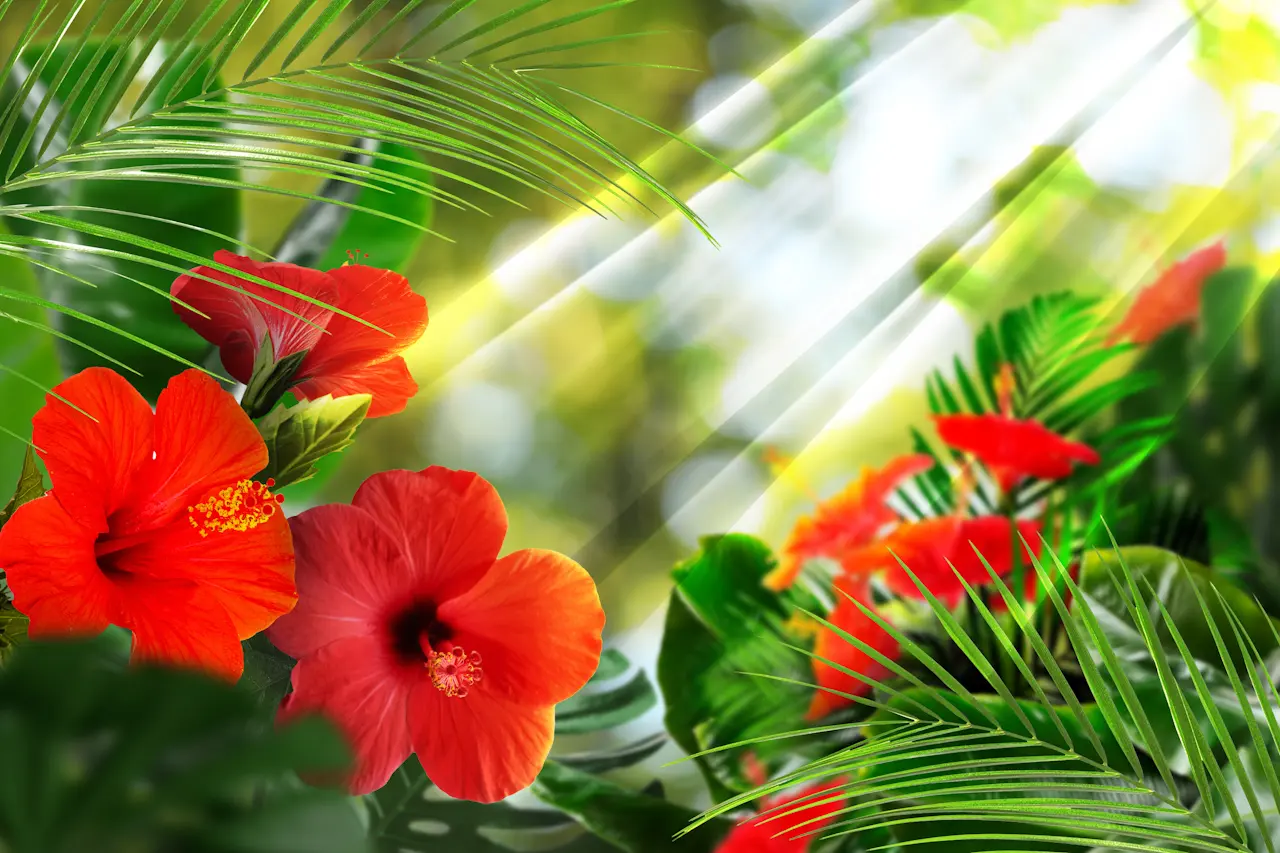
There’s no denying it: fall has officially arrived. The mornings are crisp, the leaves are turning, and somewhere in the back of your mind you know that first frost isn’t far off. For a lot of gardeners, this is the moment they say goodbye to their containers for the year. But if you’ve spent the summer enjoying Rio Dipladenias or Hawaiian Punch Hibiscus on your patio, here’s some good news. These tropical beauties don’t have to be treated like annuals. With a little planning, you can bring them indoors, carry them through the winter, and set them back out next spring for another season of blooms.
In this article, we’ll cover when to make the move, how to prep your plants so they don’t bring any unwanted guests inside, and exactly what each Fernlea tropical needs to make it to spring.
Table of Contents
When to Bring Your Tropicals Inside
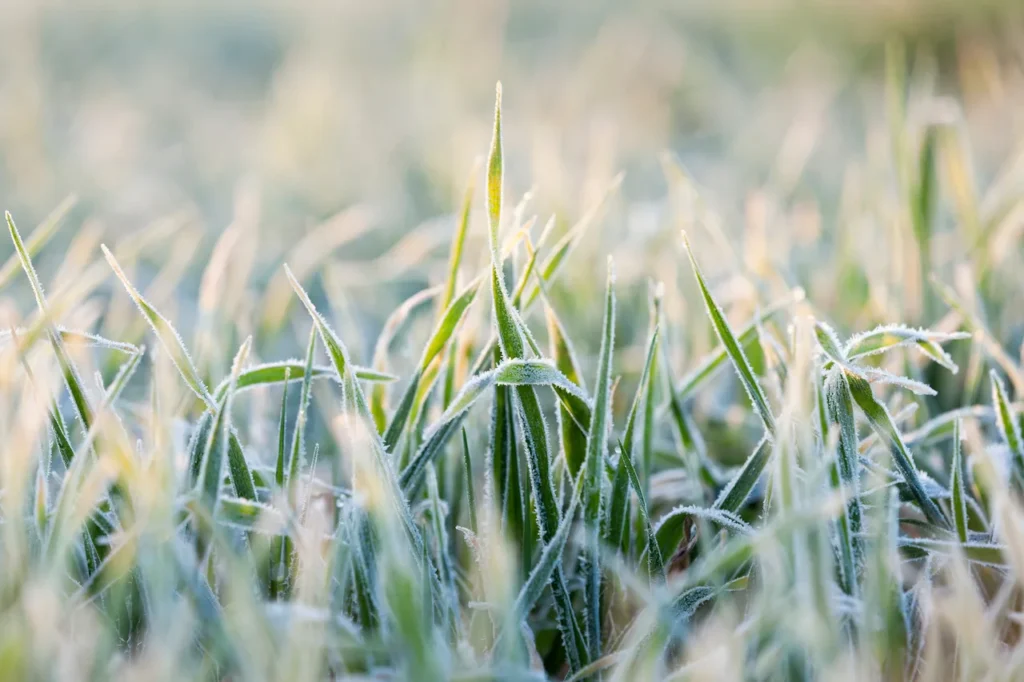
A lot of gardeners wait for the frost warning on the evening news before they start hauling pots through the back door. The trouble is, by then it’s often a little too late. Tropicals like dipladenia and hibiscus don’t need frost to be damaged. Extended cold on its own is enough to stress them, and a plant that’s been sitting through chilly nights goes into winter already struggling.
The sweet spot is when your nighttime temperatures start dropping toward 50°F. In much of Canada and the northern U.S., that means late September into early October, so now is the perfect time to keep an eye on the forecast. Moving your plants in while the weather is still mild also gives them a gentler transition, rather than a sudden jump from a cold patio to a warm living room.
Before You Bring Them In: Pest Check and Prep
Here’s the step that’s easiest to skip, and the one you’ll regret skipping most. After a full summer outdoors, your containers have been home to more than just your plants. Aphids, spider mites, and whiteflies love to tuck themselves under leaves, and once they’re inside with no natural predators around, they can spread to every houseplant you own.
Before anything crosses the threshold:
- Inspect closely. Check the undersides of leaves, the stems, and where the leaves meet the stem. Look for sticky residue, fine webbing, or tiny specks that move.
- Give them a rinse. A gentle spray from the hose knocks off most pests and dust. For anything stubborn, an insecticidal soap works well.
- Tidy up. Remove any yellowing leaves, spent blooms, and debris sitting on top of the soil.
- Check the pot. Lift your container and look underneath. Slugs and earwigs are known to camp out by the drainage holes.
- Quarantine for a week or two. Keep your newly moved plants in their own spot, away from your other houseplants, until you’re sure nothing came along for the ride.
If you can, start easing your plants into the change by moving them to a shadier spot outside for a few days first. It helps them adjust to the lower light levels they’ll be getting indoors.
Overwintering Rio, Calypso & Samba Dipladenia
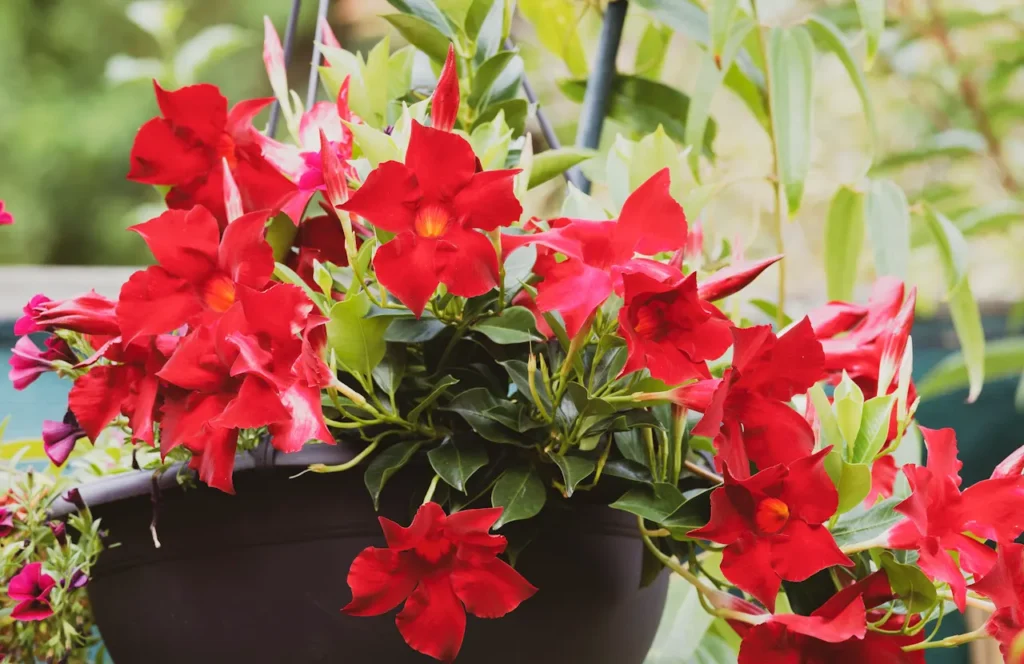
Good news for dipladenia lovers: our Rio, Calypso, and Samba Dipladenias are some of the easiest tropicals to carry through the winter. You’ve got two options, depending on how much space and sunlight you have to spare.
Option 1: Keep them growing. If you have a bright, south- or west-facing window, your dipladenia can carry on as a houseplant. Give it as much direct light as possible and keep it away from cold drafts and heating vents. Don’t expect the same flower show you had in July, since shorter days mean fewer blooms, but you’ll keep that glossy green foliage looking lush all winter.
Option 2: Let them rest. Short on sunny windows? Your dipladenia can go semi-dormant instead. Trim the plant back by about a third, then move it somewhere cool and dim, like a basement or an insulated garage that stays above 50°F. Water lightly, roughly once a month, just enough to keep the roots from drying out completely. It won’t look like much for a while, but that’s completely normal. Come spring, it will wake back up and push out fresh new growth.
Whichever route you choose, remember that dipladenias hate soggy roots. Let the top of the soil dry out between waterings, and make sure your pot drains freely.
Keeping Hawaiian Punch Hibiscus Happy Indoors
Your Hawaiian Punch Hibiscus spent all summer soaking up 6+ hours of sunshine a day, so it’s no surprise that light is its number one need indoors too. Give it the brightest window in your home, ideally south-facing, and keep it somewhere that stays comfortably warm, away from drafty doors.
Now, a quick heads-up so you don’t panic: it’s very common for hibiscus to drop a handful of leaves, or even a few buds, in the first couple of weeks after moving inside. This is simply the plant adjusting to lower light and drier air. Don’t rush to repot or fertilize. Keep the soil lightly moist, be patient, and new leaves will fill back in.
Indoor air gets dry once the furnace kicks on, and hibiscus appreciates a bit of extra humidity. Grouping it with other plants can make a big difference. And with enough light, don’t be surprised if you’re rewarded with a few of those gorgeous, multi-day blooms right in the middle of winter!
Mosquitaway and Fabulous Ferns: Your New Houseplants
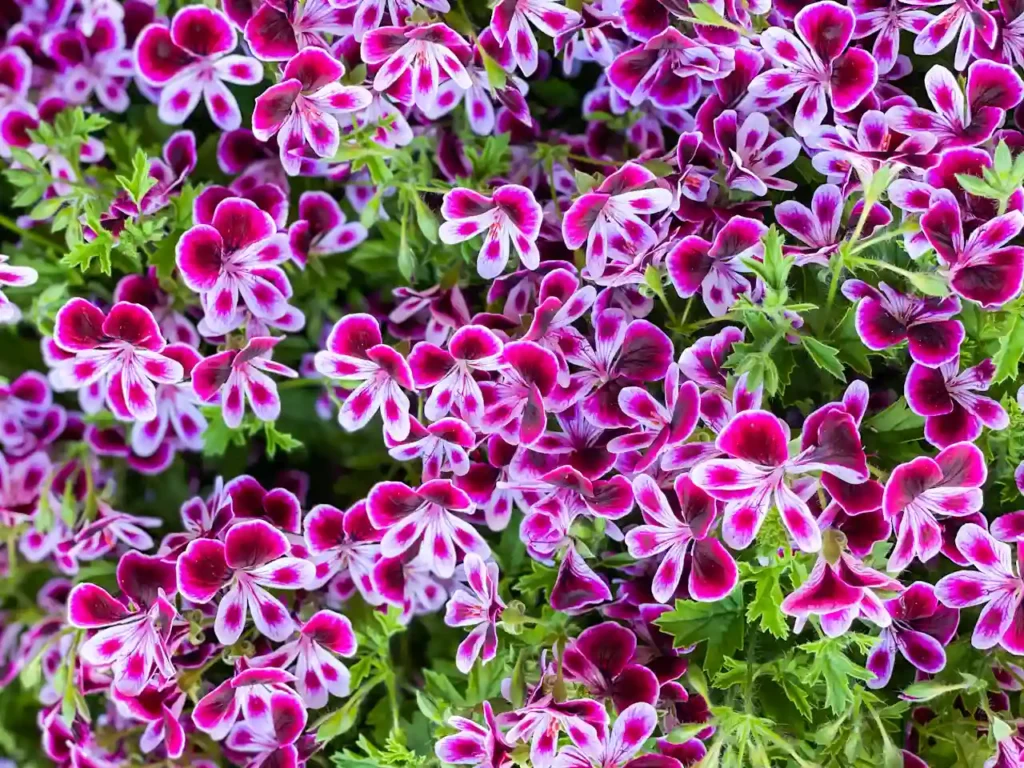
It’s not just the flowering tropicals that are worth saving. A couple of other Fernlea favorites make surprisingly easy winter houseplants.
Your Mosquitaway plants may not have any mosquitoes to keep away in January, but that lovely citrusy fragrance is still a treat indoors. Before bringing them in, trim them back by about a third to keep them compact and encourage bushier growth. Give them a sunny window and let the soil dry out between waterings. They’re forgiving plants, and a little neglect over the winter won’t bother them one bit.
As for your Fabulous Ferns, these lush hanging baskets are happy to trade the porch for a spot in bright, indirect light. Unlike your sun-loving tropicals, ferns prefer to stay out of harsh direct sun. What they do need is humidity and consistent moisture, so keep the soil evenly damp and give them a light misting now and then. Expect some browning or shedding as they settle in. Snip off anything crispy and they’ll bounce back.
Tip: Bathrooms and kitchens tend to have higher humidity, making them a great winter home for ferns, as long as there’s a window nearby.
Winter Care and Heading Back Outside
Once everyone is settled in, the golden rule for winter is simple: do less. With shorter days and less light, your plants are growing much more slowly, which means they need far less water than they did in the heat of summer. Overwatering is the most common way tropicals are lost over the winter, so always check the soil with your finger before reaching for the watering can.
The same goes for fertilizer. Hold off completely until spring. Feeding a slow-growing plant in low light pushes out weak, stretchy growth that won’t do it any favors. You’ll give them a proper boost once the days get longer again.
When spring rolls around, resist the urge to put everything straight back on the patio the first sunny weekend. Wait until all danger of frost has passed and nights are reliably above 50°F. Then harden off your plants gradually: start with a few hours outside in a shaded spot, and slowly increase their time and sun exposure over a week or two. Jumping straight from a windowsill into full sun can scorch leaves that have spent all winter indoors.
There you have it! With the right timing, a quick pest check, and a sunny window or two, your tropicals can keep brightening up your home long after the patio season wraps up. Come spring, you’ll have a head start on the season with established, full-sized plants ready to bloom, instead of starting from scratch.
Want to learn more about caring for your favorites? Visit our Rio Dipladenia and Hawaiian Punch Hibiscus pages, or find a Fernlea retailer near you. Happy planting!